
Animal coloring pages give you a starting point for choosing a subject you want to spend time coloring. This category brings together birds, butterflies, cats, dinosaurs, dogs, and foxes, with separate cards for each group. Whether you have a favorite animal in mind or want to compare a few possibilities, begin with the subject that catches your attention and explore its pages from there.
The six groups offer several ways to narrow your choice. Cats and dogs can be a starting point for an activity inspired by familiar animals. Birds and butterflies can lead into conversations about wings, shapes, and color choices. Foxes offer another animal subject to explore, while dinosaurs give you a distinct direction when you want to color something different. You can stay with one group or choose subjects from several groups for a shared activity.
Before selecting a sheet, think about what you want to do with it. A page for a short coloring break may call for a different amount of detail than one you plan to revisit over several sessions. Look at the actual design and consider the size of its spaces, the lines around the animal, and any surrounding elements. Those visible details are more useful for making a choice than assuming every page in a subject group has the same style.
Use the cards below to explore printable coloring pages by animal subject. After choosing a design, a quick check of your paper size and print preview can help keep the artwork inside the page edges. The guidance farther down covers printing preparation, paper and coloring supplies, animal-focused activities, and ways to keep finished work organized so that each chosen sheet has a clear place in your plans.
Browse Animal Coloring Pages by Subject
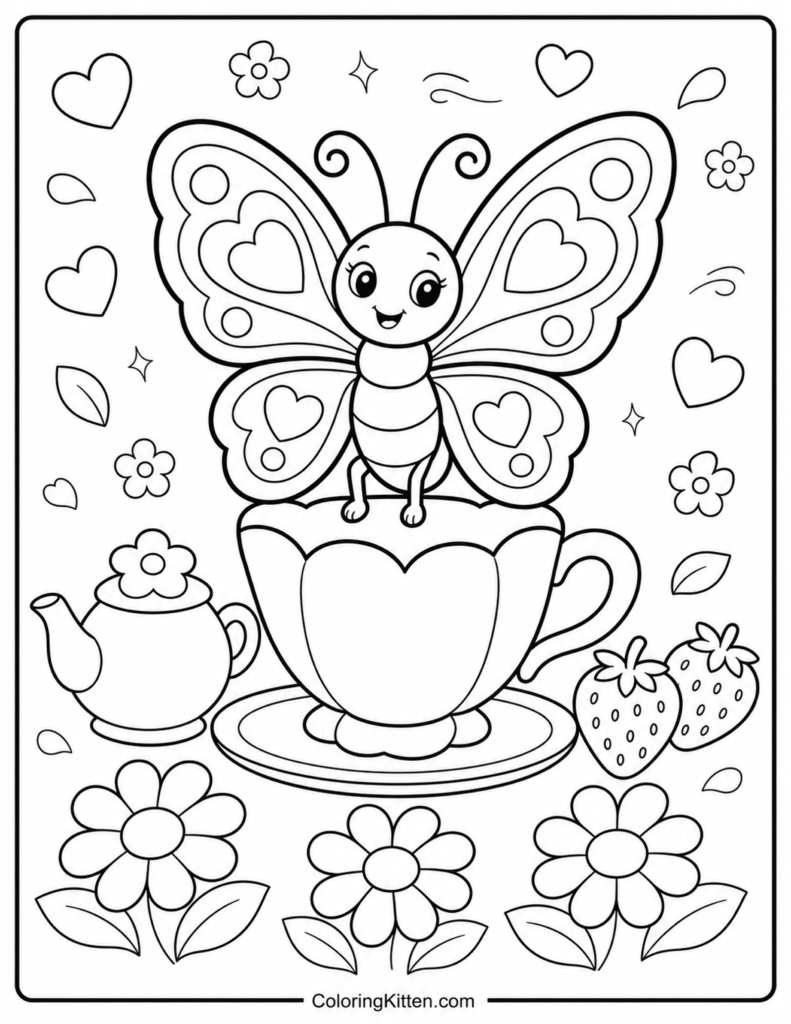
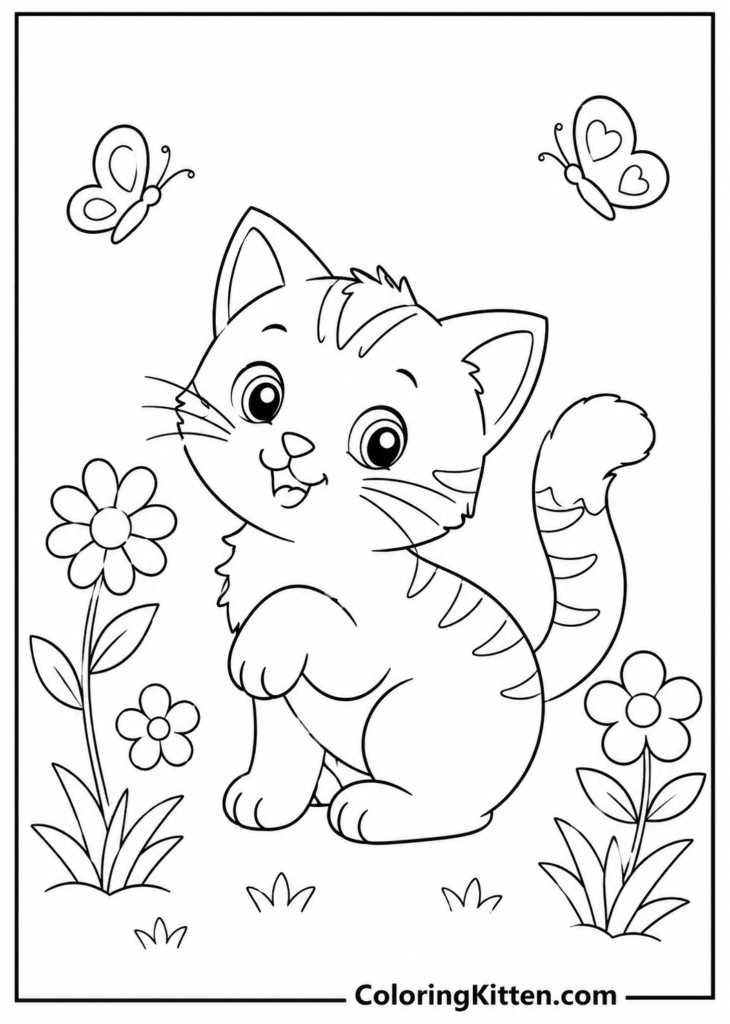
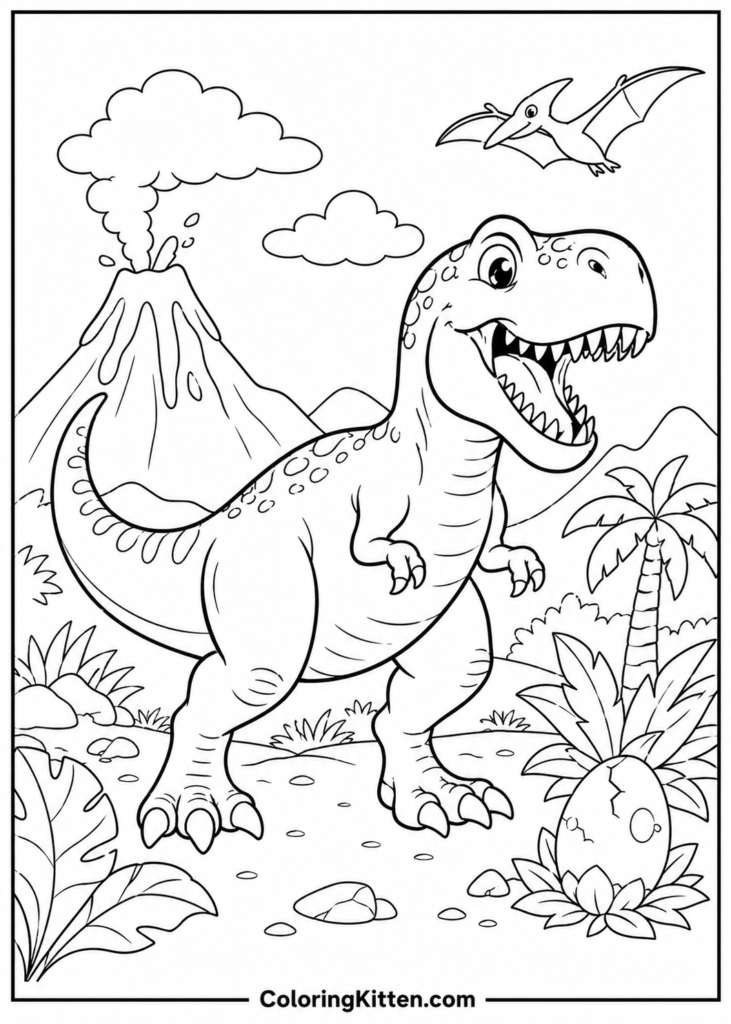
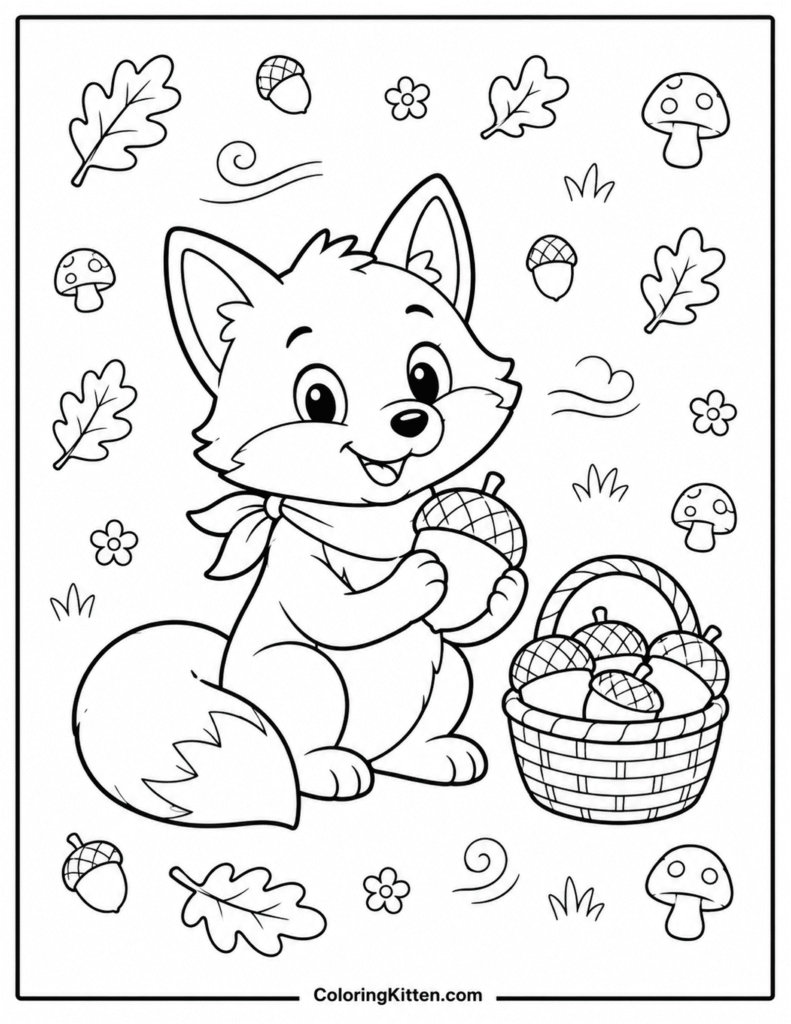
Choose an Animal Subject and a Design You Want to Color
Start with the animal rather than trying to predict the style of an entire group. The Birds and Butterflies Coloring Pages cards are useful starting points when wings are part of what interests you. Cats and Dogs Coloring Pages let you choose between two familiar animal subjects. Foxes and Dinosaur Coloring Pages offer separate directions for a different theme. Open the relevant group and examine the individual artwork before deciding which sheet fits your activity.
Once you can see a design, check how the animal fills the page. Notice whether there are broad areas for a few colors or smaller spaces that invite more careful work. Also consider whether you want to focus on the animal itself or spend time on any surrounding details shown in that particular picture. These choices depend on the visible sheet, so avoid treating birds, cats, or any other subject as automatically simpler or more detailed.
- For an activity inspired by a familiar animal, begin with Cats or Dogs Coloring Pages and look for a design you want to personalize.
- For a wings-focused activity, explore Birds or Butterflies Coloring Pages and compare the shapes visible in the chosen artwork.
- For a fox-themed picture or story, use Foxes as your starting point and build your ideas around the selected sheet.
- For a dinosaur-centered activity, open Dinosaur Coloring Pages and decide how you want to approach its colors and visible details.
Prepare Animal Pictures for US Letter or A4 Printing
Check the paper loaded in your printer before printing. US Letter measures 8.5 by 11 inches, while A4 measures 210 by 297 millimeters. Select the matching paper size in your print settings, then check the preview. The important question is whether the whole animal and any surrounding artwork sit inside the printable area. A page can appear complete on screen yet lose an edge if the printer settings do not match the paper.
Choose portrait or landscape orientation to match the artwork you are printing. If the preview shows clipped edges, try a fit-to-page option and inspect it again; the setting may have a different name in your browser or print application. Keep the picture's proportions intact when adjusting its size. Avoid stretching it simply to fill the sheet, because that can change the appearance of the animal. Leave enough margin for handling or displaying the finished page.
Print one test sheet before preparing several copies for a household or classroom activity. Check that outlines are visible and that the animal has not been cut off. If you plan to place the finished picture in a folder, allow room for holes or use a sleeve. For a display, consider the space needed around the artwork for mounting. A brief test helps you make those decisions before using more paper.
Match Paper and Coloring Supplies to Your Approach
Ordinary printer paper is a practical starting point for crayons and colored pencils. If you prefer markers, consider paper intended for that medium and check that your printer accepts its weight. Heavier paper can also help when a finished picture will be handled repeatedly, but it should stay within your printer's specifications. Test your chosen supply on a spare piece of the same paper before committing to the animal picture.
Use the size of the visible spaces to guide your tools. Crayons can cover broad areas, while sharpened colored pencils offer more control around smaller shapes and outlines. Markers give another option when you want solid areas of color, although some can show through paper. Place a spare sheet underneath to protect the surface and inspect the back before deciding to color both sides. Keep a small test area nearby for checking combinations.
Choose a color plan that suits your purpose. For a recognizable animal, consult a reference and follow the features you can see rather than assuming every bird, butterfly, cat, dog, or fox shares one set of colors. For an imaginative picture, pick a limited palette or deliberately try unexpected combinations. With dinosaurs, you can make a creative color choice without presenting it as a factual reconstruction. Either approach gives the coloring session a clear direction.
Use Finished Animal Pages for Stories, Comparisons, and Displays
At home, turn a selected animal picture into a short storytelling activity. After coloring, give the subject a name and write a sentence about what happens next. Let the visible artwork guide the opening rather than assuming the page contains a particular setting or action. A cat, dog, fox, bird, butterfly, or dinosaur can each anchor a different story. If several people take part, invite everyone to explain one color choice or add one sentence.
For a classroom activity, choose subjects that support a focused comparison and check the site's usage terms before making copies for a group. Birds and butterflies can prompt discussion about the different wing shapes shown in the selected pictures. Cats and dogs can support a conversation about visible similarities and differences. Keep observations tied to what students can actually see, and use a separate factual reference when discussing real animals. Treat any invented scenes or colors as creative choices.
Organize completed sheets in a folder with separate sections for the six animal groups, or add a date and a short note about each picture. Display a small selection together, write captions beneath them, or assemble a personal coloring book with a simple cover. If you are making comparisons, keep related pages side by side. Return to the subject-group cards whenever you want a companion picture, a different animal for your next story, or a fresh direction for another coloring session.
For more printable ideas, explore Birds, Butterflies Coloring Pages, Cats, Dinosaur Coloring Pages, and Dogs Coloring Pages.
Animal Coloring Pages FAQ and Tips
Which animal subjects can I browse here?
The available subject groups are Birds, Butterflies Coloring Pages, Cats, Dinosaur Coloring Pages, Dogs Coloring Pages, and Foxes. Choose a card to explore that group, then look at the individual designs to decide what you want to color. The cards help you begin with a subject rather than choosing from unrelated pictures.
How do I choose an animal picture for a short coloring session?
Inspect the actual sheet and consider how much of it you want to complete. Look at the size and number of spaces, along with any surrounding details. You can choose a design with areas that suit your tools or color only the animal during one session and return to the remaining areas later.
Can I print animal coloring pages on US Letter or A4 paper?
Set your print dialog to the paper size loaded in your printer and check the preview. If artwork extends beyond the printable area, try the available fit-to-page setting while preserving its proportions. Make a test print to confirm that the whole picture fits before printing additional sheets.
What paper should I use with crayons, pencils, or markers?
Standard printer paper is a useful starting point for crayons and colored pencils. For markers, test for show-through and consider compatible paper intended for marker use. Check your printer's supported paper weights before using thicker stock, and put a spare sheet underneath the picture to protect your work surface.
Do the animals need to be colored realistically?
You can follow a reference for a recognizable appearance or choose imaginative colors. If realism is your goal, use a reference that matches the animal you are coloring and check its visible features. For a creative activity, explain your palette through a story, a mood, or a color combination you want to try.
How can I use birds and butterflies in a shared activity?
Choose a picture from each group and compare the wing shapes visible in those designs. Participants can discuss their color choices or write a caption for each finished page. Keep factual discussion separate from invented details, and check the site's usage terms before preparing copies for a classroom or another group.
How can I keep finished animal pictures organized?
Sort them by subject in a folder, add dates, or write short captions explaining the color choices. You could keep cats and dogs in separate sections or place birds and butterflies together for a comparison. Use sleeves or leave a margin for filing so that storing the sheets does not cover the artwork.